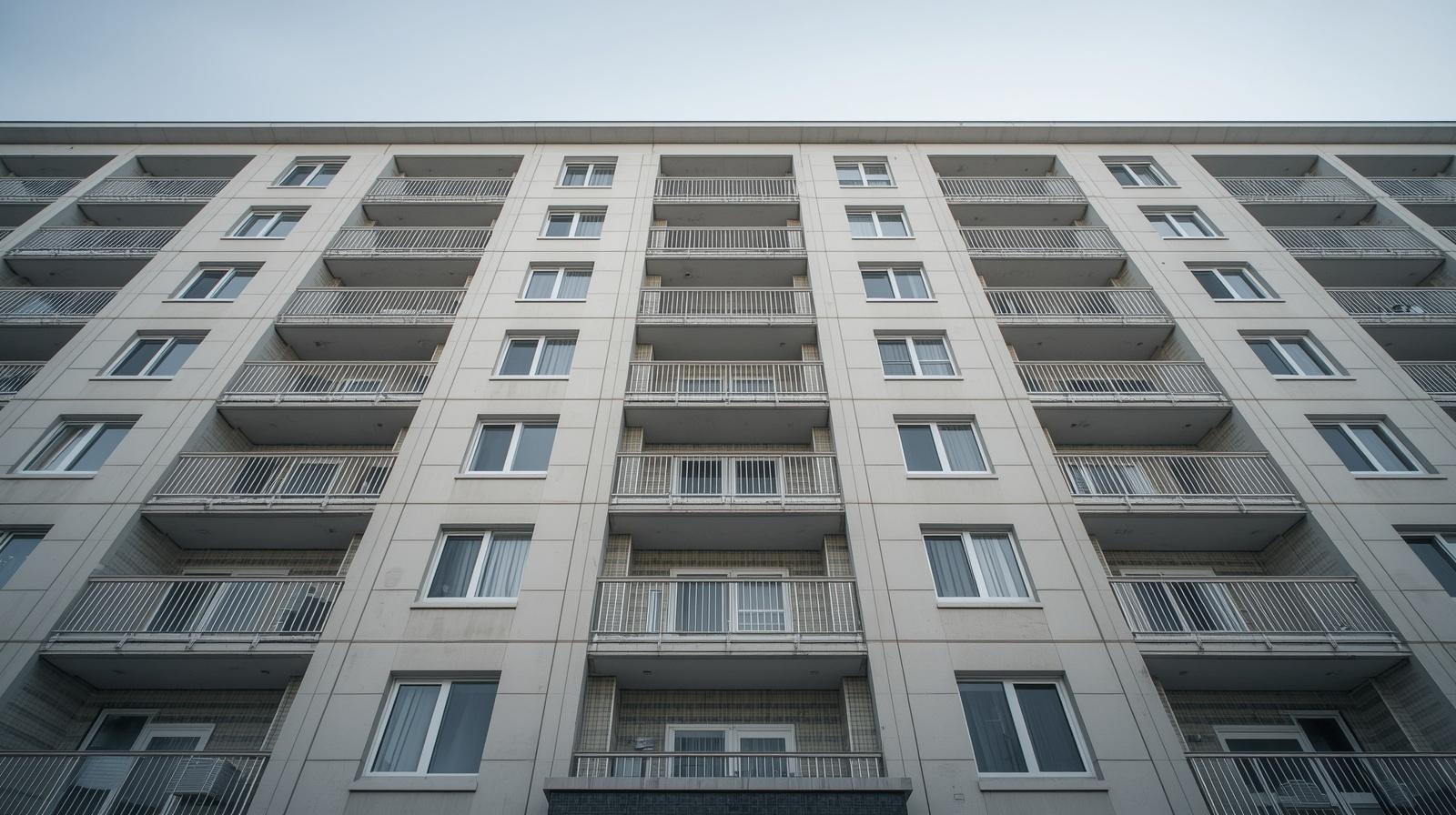
Multifamily Housing: Durable Demand, Structural Discipline
Multifamily housing is frequently described as a “defensive” asset class. The logic appears straightforward: people will always need a place to live.
But durable demand does not automatically translate into durable capital outcomes.
Multifamily performance depends less on the existence of housing need and more on structure — supply timing, financing terms, regulatory direction, and operational discipline.
One of the most overlooked risks in multifamily is synchronized development. When capital concentrates in housing during periods of perceived safety, new construction accelerates. If deliveries cluster, rent growth can flatten, concessions increase, and refinancing pressure builds — particularly where short-term debt was used to enhance returns.
Interest rate sensitivity adds another layer. Multifamily valuations often expand quickly in falling-rate environments but adjust more gradually when rates rise. Assets financed with floating-rate or short-duration debt can become vulnerable if credit conditions tighten. The risk is not leverage alone — it is refinancing dependency.
Regulatory exposure further differentiates outcomes. Rent regulations, zoning adjustments, and tax policy shifts can materially affect operating performance. These are not cyclical forces; they are legislative variables. Allocators who treat multifamily as inherently stable may underestimate policy direction risk in certain markets.
Operational intensity also matters. Leasing velocity, tenant turnover, and maintenance execution can meaningfully widen performance dispersion between operators — especially in slower rent growth environments. Two properties in the same city can perform very differently depending on management quality.
Finally, multifamily is local. Wage growth, household formation, and migration patterns vary widely by region. National housing narratives can obscure submarket oversupply or demographic stagnation.
Multifamily is not automatically defensive. It can be durable — but only when supply, financing, governance exposure, and operational discipline align.
As with any allocation decision, the question is not whether housing demand exists. The question is whether the structure supporting that demand is resilient under stress.